
Blizzard Backtracks: Overwatch 2 Reverts Divisive Competitive Stadium Match Format Change










Popular Now
 Poppy Playtime
 Valorant
 God of War Ragnarök
 Minecraft
 Warframe
 Brawl Stars
 Geometry Dash
 Counter-Strike 2
 Gacha Club
 Fall Guys
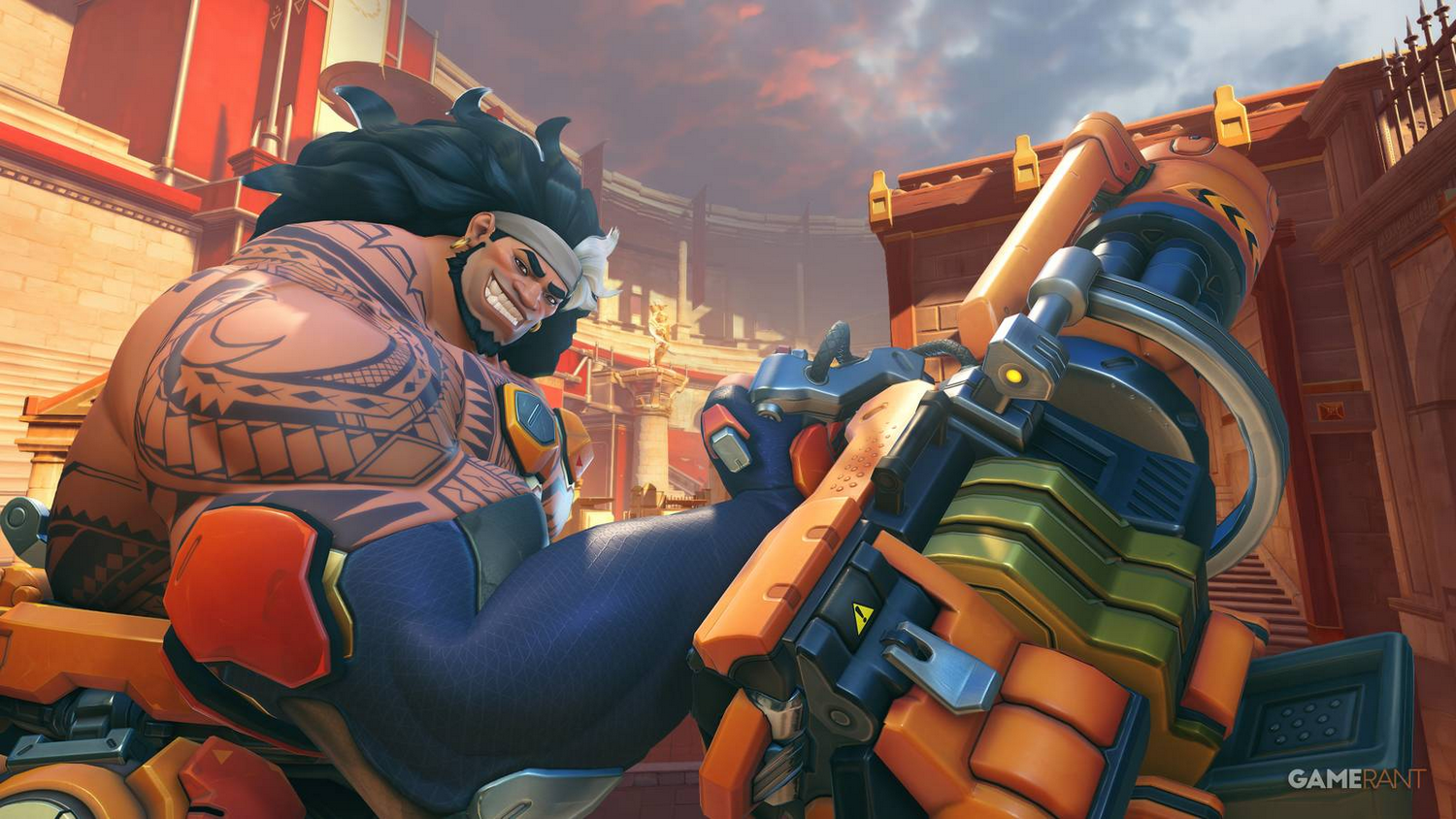
Blizzard Entertainment has reportedly moved to revert a controversial gameplay alteration in Overwatch 2’s highly popular Stadium mode, marking a swift response to significant community backlash. The change, which saw the competitive match format drastically shortened in the recent Season 19 update, was met with widespread frustration from the dedicated player base. This high-profile decision by the development team underscores the critical importance of player feedback in the live-service model of competitive online gaming and highlights the fine line developers must walk when adjusting established competitive ecosystems.
The core of the controversy revolved around a fundamental change to the structure of Competitive Stadium matches. Prior to Season 19, the ranked format was a Best-of-Seven (Bo7) series. With the start of the new season, this was quietly reduced to a Best-of-Five (Bo5). While a Best-of-Five format mirrors the structure of Quick Play Stadium matches and speeds up the time-to-completion, the competitive community argued that the change fundamentally undermined the strategic depth and competitive integrity of the mode.
📉 Why the Best-of-Five Change Failed in Competitive Play
The Stadium mode in Overwatch 2 is distinct from the standard 5v5 core game. It incorporates elements of build-crafting and hero customization, with players earning currency each round to unlock and upgrade unique powers and items. The longer Best-of-Seven format was central to the strategic flow of this mode, allowing for critical mid-match adjustments and compelling comeback narratives. The reduction to Bo5 had several severe, unintended consequences that led to the community’s outcry:
- Elimination of Strategic Arc: The longer Bo7 format provided rounds 3 and 4 as a crucial mid-game window where accumulated currency and higher-tier upgrades would fully come online. The Bo5 format condensed the match so severely that a team gaining an early lead often snowballed to victory before the losing team could fully realize their counter-builds, thereby diminishing the significance of strategic planning and in-game economy management.
- Loss of Comeback Potential: Players felt that the chance for dramatic reverse-sweeps—a staple of compelling competitive games—was significantly reduced. As one community post noted, “In Bo7, you actually had time to read the enemy’s comp, adjust, and build some momentum. Now it’s basically ‘blink and it’s over.’”
- Blurring the Lines with Quick Play: The competitive scene values a format distinct from its casual counterpart. By adopting the Quick Play format, the Competitive Stadium playlist lost its sense of high-stakes, longer-form engagement, which the Highest CPC Keywords like “esports competitive gaming” and “ranked ladder climb” are built upon.
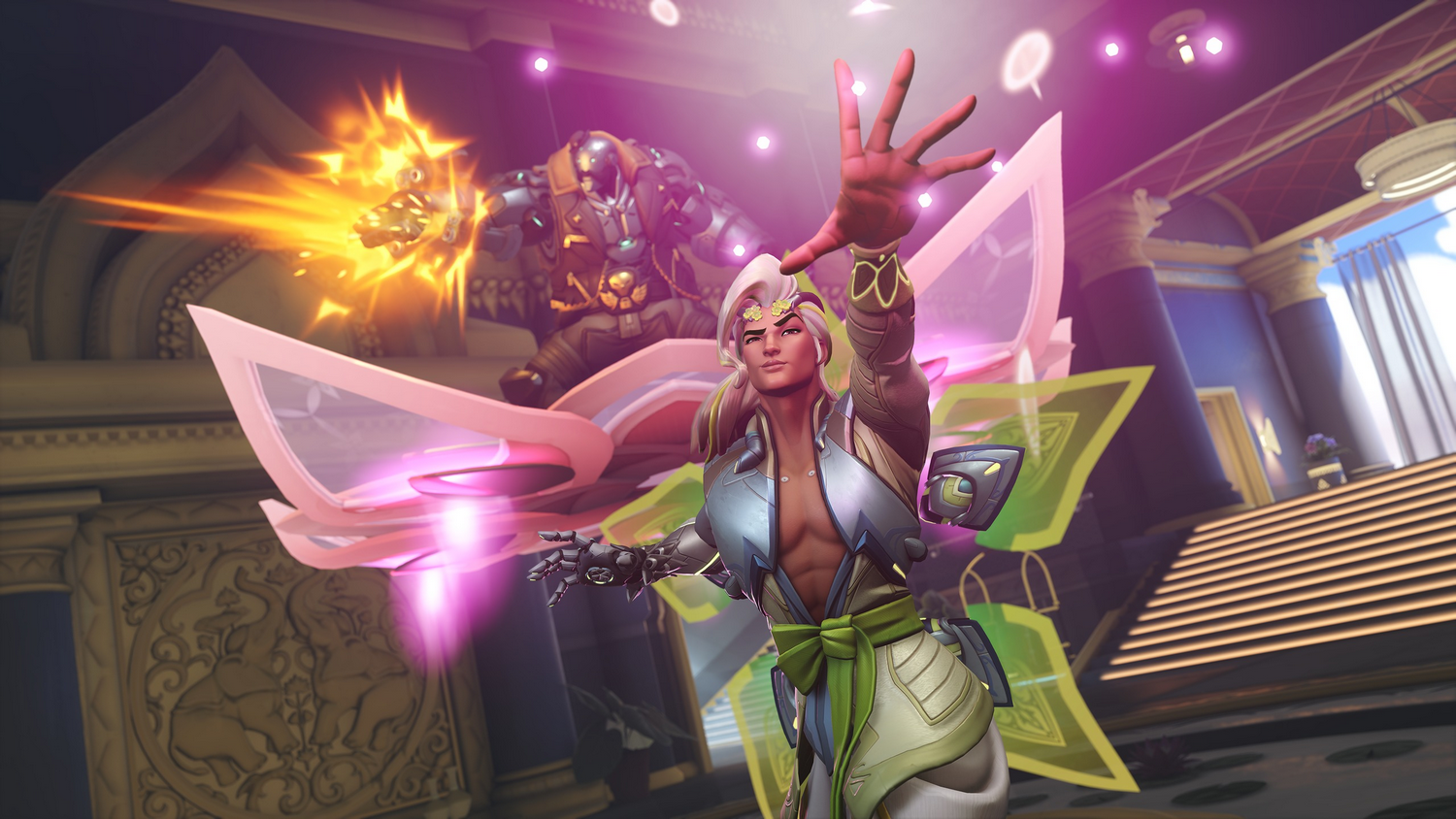 Sources from the Overwatch 2 community forums and major social media platforms indicate the initial change was poorly received, with players complaining the pacing was “completely off” and that the competitive environment had been “diluted.” The rapid and unannounced nature of the format change in the patch notes further exacerbated the frustration.
⚙️ Blizzard’s Rapid Reversal and the Precedent of Player Feedback
Blizzard’s quick action to reverse the Bo5 change and restore the Best-of-Seven match structure demonstrates a renewed commitment to responsiveness, particularly concerning the competitive health of a major mode. The development team has previously shown a willingness to correct course when faced with overwhelming negative feedback, such as the rapid removal of a “no mirror heroes” rule introduced in a previous Stadium season.
While the game mode’s unique mechanics—which include heroes like the newly added Torbjörn and Sojourn with specialized Stadium power sets—are still being tweaked for optimal balance (as evidenced by ongoing community discussions regarding hero power levels and the controversial Reaper Wraith Renewal nerf), the reversion of the format is a huge win for the Stadium Player Base.
The quick change-back can be interpreted through the lens of live-service optimization:
Data-Driven Decision Making: While initial data may have pointed to shorter matches boosting “time-to-complete” metrics, player sentiment and long-term engagement data—critical for the health of a free-to-play AAA title—likely revealed a sharp drop in the dedicated player base’s satisfaction.
Prioritizing Competitive Integrity: For a mode that relies on a deep, customizable strategic layer, maintaining the environment necessary for that strategy to flourish is paramount. The Bo7 format ensured the complexity of build-crafting and in-game economy remained the decisive factors, justifying the mode’s competitive playlist status.
This episode serves as a fresh reminder that in the multiplayer online battle arena (MOBA) and hero shooter genre, the competitive experience is often defined by minor structural details that have major strategic implications. The dedicated player base of a competitive mode can act as a powerful check against changes that prioritize convenience over complexity.
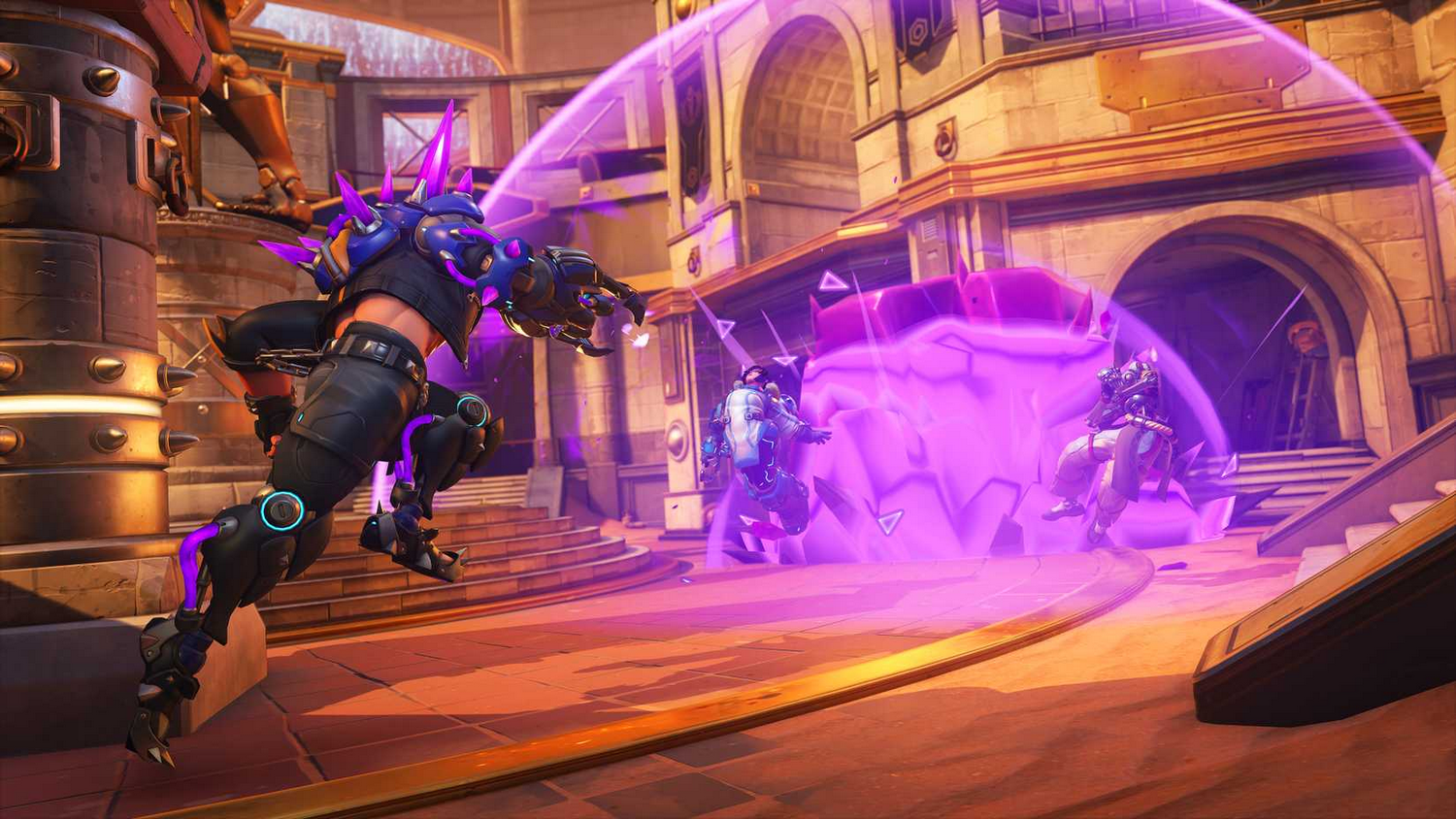 🚀 Looking Ahead: The Future of Overwatch 2’s Stadium Mode
With the divisive Bo5 change reverted, focus can now shift back to the other major updates of Season 19, including the integration of new heroes like Torbjörn and Sojourn into the Stadium ecosystem and the ongoing balance of the unique Stadium Power system. Blizzard will need to continue its iterative balance work to ensure a healthy meta, especially as new mechanics like Gadgets and Trials are rolled out in the future.
The swift action on the match format is likely to rebuild goodwill and encourage players who had stepped away from the Ranked Stadium queue to return. The long-term success of Stadium, and the overall longevity of Overwatch 2 in the highly competitive First-Person Shooter (FPS) market, depends on the development team’s ability to find the perfect blend of innovation, competitive balance, and respectful response to core player sentiment.
The community is now eagerly awaiting the official patch notes confirming the restoration of the Best-of-Seven structure and any further developer commentary on the decision, hoping this signals a return to a more stable and strategically rewarding competitive experience.