
Final Fantasy XIV’s Latest Glamour Unveiled: A Deep Dive into the Growing Mogstation Controversy









Popular Now
 Free Fire Max
 Fall Guys
 Candy Crush Saga
 Stumble Guys
 The Legend of Zelda
 FIFA 23
 Call of Duty
 PUBG Mobile
 Rust
Rust
 Schedule I

Eorzea is abuzz once more with the promise of fresh aesthetics, as Square Enix introduces a new collection of cosmetic items for Final Fantasy XIV players. From intricate glamour sets to whimsical mounts and companions, these additions are designed to further enhance player expression within the beloved massively multiplayer online role-playing game. However, as is increasingly common with such announcements, a significant portion of the player base finds itself grappling with a familiar sentiment: the ‘catch’ of premium monetization via the game’s optional online store, the Mogstation. This perennial discussion highlights the delicate balance developers must strike between generating additional revenue and maintaining player goodwill in a subscription-based MMORPG.
The Allure of New Cosmetics: Enhancing the Eorzean Experience
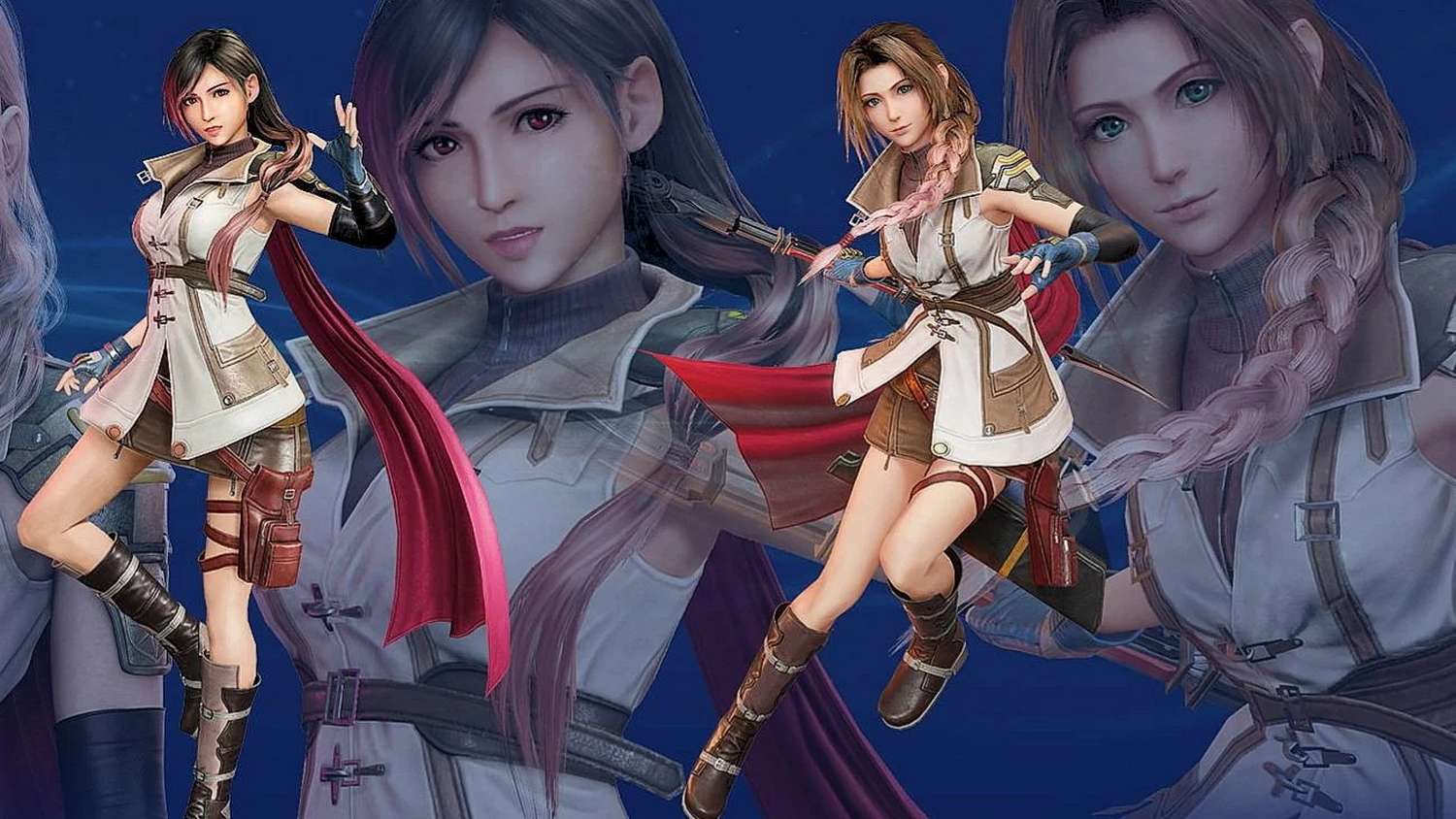
For many Warriors of Light, the journey through Hydaelyn is as much about personalization as it is about epic storytelling and challenging raids. Final Fantasy XIV has cultivated a vibrant community deeply invested in its ‘glamour’ system, allowing players to customize their character’s appearance independently of equipped gear. The arrival of new cosmetic items – be they armor sets that evoke classic Final Fantasy heroes, unique mounts offering distinctive travel, or adorable minions that follow one’s every step – is often met with initial excitement. These additions contribute significantly to the game’s rich visual tapestry and provide players with more avenues for individual expression, a core tenet of the modern MMORPG experience. The intricate designs and high-quality textures associated with FFXIV’s aesthetic offerings are frequently lauded, setting a high bar for virtual goods in the market.
The latest batch of items, while visually appealing and expertly crafted, aligns with the game’s established lore and artistic direction. They offer new ways for players to distinguish themselves on the bustling streets of Limsa Lominsa, the serene landscapes of the Azim Steppe, or the challenging dungeons of Endwalker. For players who dedicate hundreds, if not thousands, of hours to their characters, these personalization options are more than mere superficialities; they are extensions of their in-game identity and a source of considerable enjoyment. The desire for unique looks also fuels a secondary market of discussion and theorycrafting within the community, as players eagerly anticipate, plan, and showcase their new ensembles.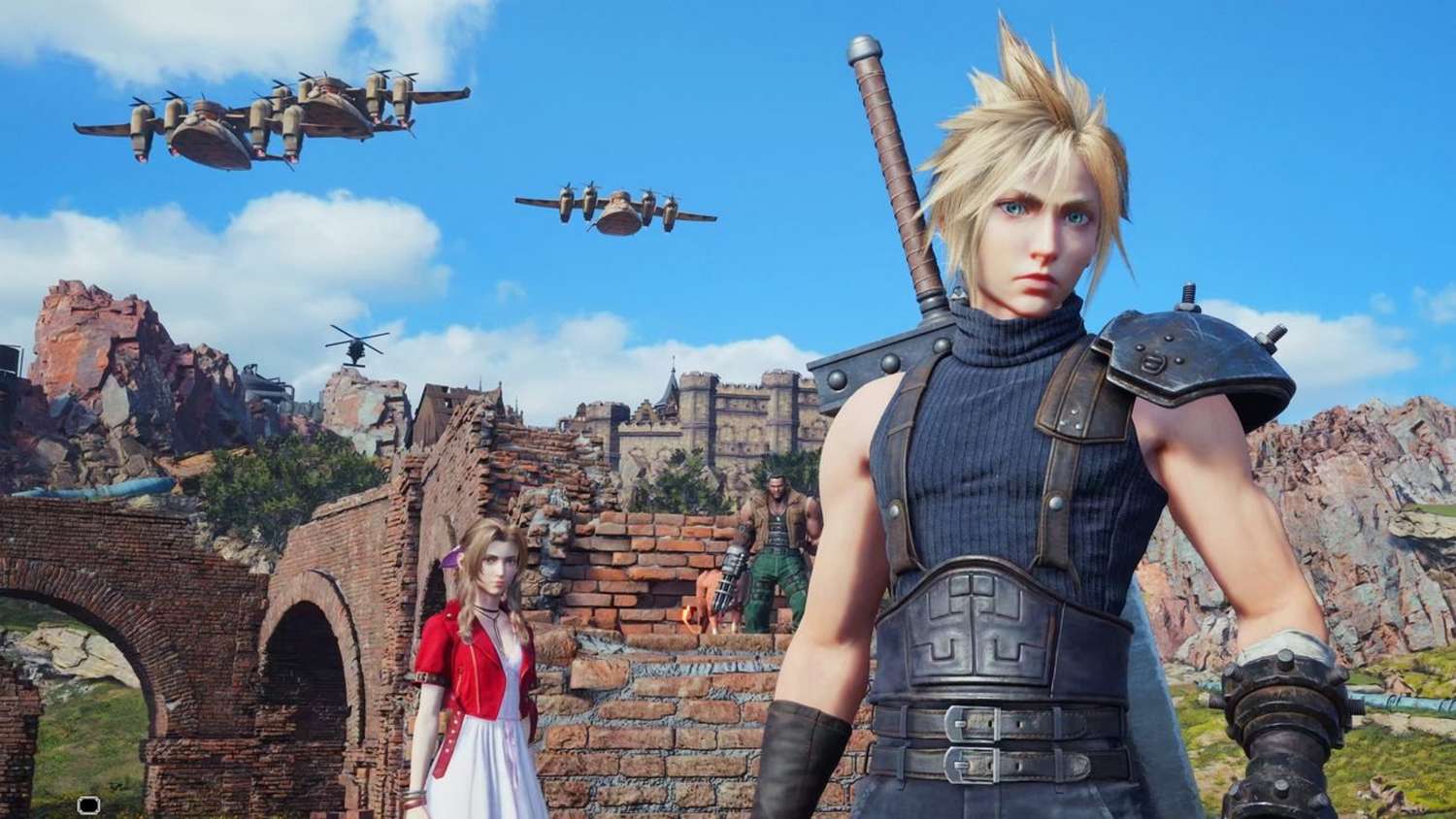
The ‘Catch’: Mogstation’s Persistent Shadow Over Player Value
Despite the undeniable appeal, the enthusiasm surrounding new cosmetic drops is invariably tempered by the knowledge that these items are predominantly housed within the Mogstation. Unlike rewards earned through in-game activities – such as raiding, quest completion, or seasonal events – Mogstation items require a separate, often significant, real-money purchase beyond the monthly subscription fee. This practice has long been a point of contention within the Final Fantasy XIV community, sparking heated debates about the perceived value proposition and the ethics of monetization in a game that already commands a subscription.
Critics often point to the fact that FFXIV is not a free-to-play title. Players pay a monthly subscription, and typically purchase expansion packs, to access the game’s content. The existence of a robust cash shop, offering desirable items for additional real-world currency, leads many to question whether certain cosmetic offerings should instead be integrated as unlockable rewards within the game itself. Concerns are frequently raised that high-quality assets, which could serve as aspirational goals for players, are being siphoned off for direct purchase, potentially diminishing the reward structure of the core game. This creates a perception among some players that they are paying twice for content, leading to frustration and a feeling of being nickel-and-dimed. The psychological impact of seeing premium, aesthetically superior items consistently placed behind a paywall can erode the overall sense of generosity and community spirit developers aim to foster.
Community Feedback and the Monetization Conundrum
The FFXIV community’s reaction to Mogstation updates is rarely monolithic. While some players readily embrace the opportunity to purchase new items, viewing them as a convenient way to support the game’s continued development, others voice strong opposition. Key concerns frequently articulated include:
- Value for Money: The pricing of individual glamour sets, mounts, or emotes can often be seen as high, especially when converted to various international currencies. Players scrutinize whether the cost justifies the digital product, particularly when compared to the cost of the subscription itself or even entire games.
- Content Division: A recurring complaint is the perceived shift of aesthetically compelling content from in-game rewards to the cash shop. Many argue that items with unique animations or intricate details should be obtainable through challenging gameplay, providing long-term engagement goals.
- Ethical Considerations: For a game that champions itself on player experience and often provides extensive free content updates within its subscription model, the heavy reliance on an external cash shop for premium visuals can feel discordant. It raises questions about developer priorities and long-term monetization strategies.
- Accessibility: Players with limited disposable income might feel excluded from certain aspects of the game’s customization, fostering a sense of inequality within the community based on spending habits rather than dedication or skill.
 Square Enix, like many other large publishers, operates within a competitive global market where supplementary revenue streams are increasingly vital for funding ambitious projects, maintaining server infrastructure, and ensuring continuous content development. From a business perspective, the Mogstation serves as a critical component in the broader financial health of Final Fantasy XIV. The revenue generated contributes to the substantial resources required to produce regular patches, major expansions, and maintain a dedicated global team. However, balancing these financial imperatives with player expectations remains an ongoing challenge. The developer’s communication surrounding these choices, or lack thereof, also plays a crucial role in shaping player sentiment. Transparency regarding how these funds are utilized could potentially mitigate some of the community’s concerns.
The Future of FFXIV’s Premium Offerings
As Final Fantasy XIV continues to evolve, so too will its approach to monetization. While the core game remains firmly subscription-based, the Mogstation is unlikely to disappear. The ongoing dialogue between players and developers, however, will undoubtedly shape its future trajectory. A potential path forward could involve a more balanced distribution of unique cosmetics between in-game rewards and cash shop items, or perhaps the introduction of more flexible pricing models. The success of FFXIV lies in its strong community, and alienating a significant portion of that community through perceived aggressive monetization could have long-term repercussions on player retention and overall game health.
Ultimately, the arrival of new cosmetics in Final Fantasy XIV represents a double-edged sword. On one hand, they offer exciting new avenues for player expression and contribute to the game’s enduring appeal. On the other, their consistent placement behind a separate paywall reignites critical discussions about value, monetization ethics, and the evolving relationship between developers and their dedicated player base. As players adorn their characters with the latest glamour, the underlying question of what constitutes fair value in a premium MMORPG continues to echo across Eorzea.