
Developer Secrets: How The Witcher 3’s Iconic Romance Options Were Nearly Completely Different







Popular Now
 Black Myth: Wukong
 NBA 2K24
 Gacha Club
 Free Fire Max
 Warframe
 PUBG Mobile
 Toca Boca World
 Counter-Strike 2
 Valorant
 Rust
Rust
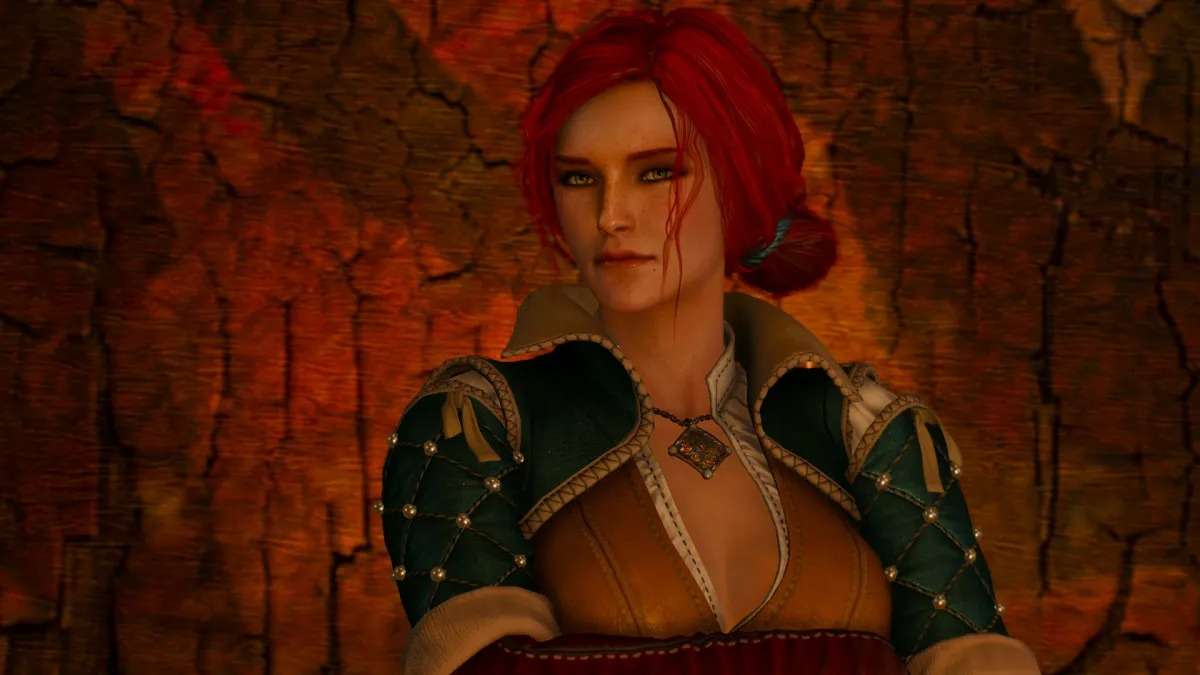
In a revelation that fundamentally shifts the understanding of one of the most beloved open-world RPGs of all time, new information from former developers and recent data-mined content confirms that The Witcher 3: Wild Hunt’s iconic central romance choice was a surprisingly late addition. This news impacts how fans view the narrative design and the character arcs of Geralt, Yennefer of Vengerberg, and Triss Merigold, shedding light on the immense pressure and creative shifts within CD Projekt Red during the game’s high-stakes development cycle.
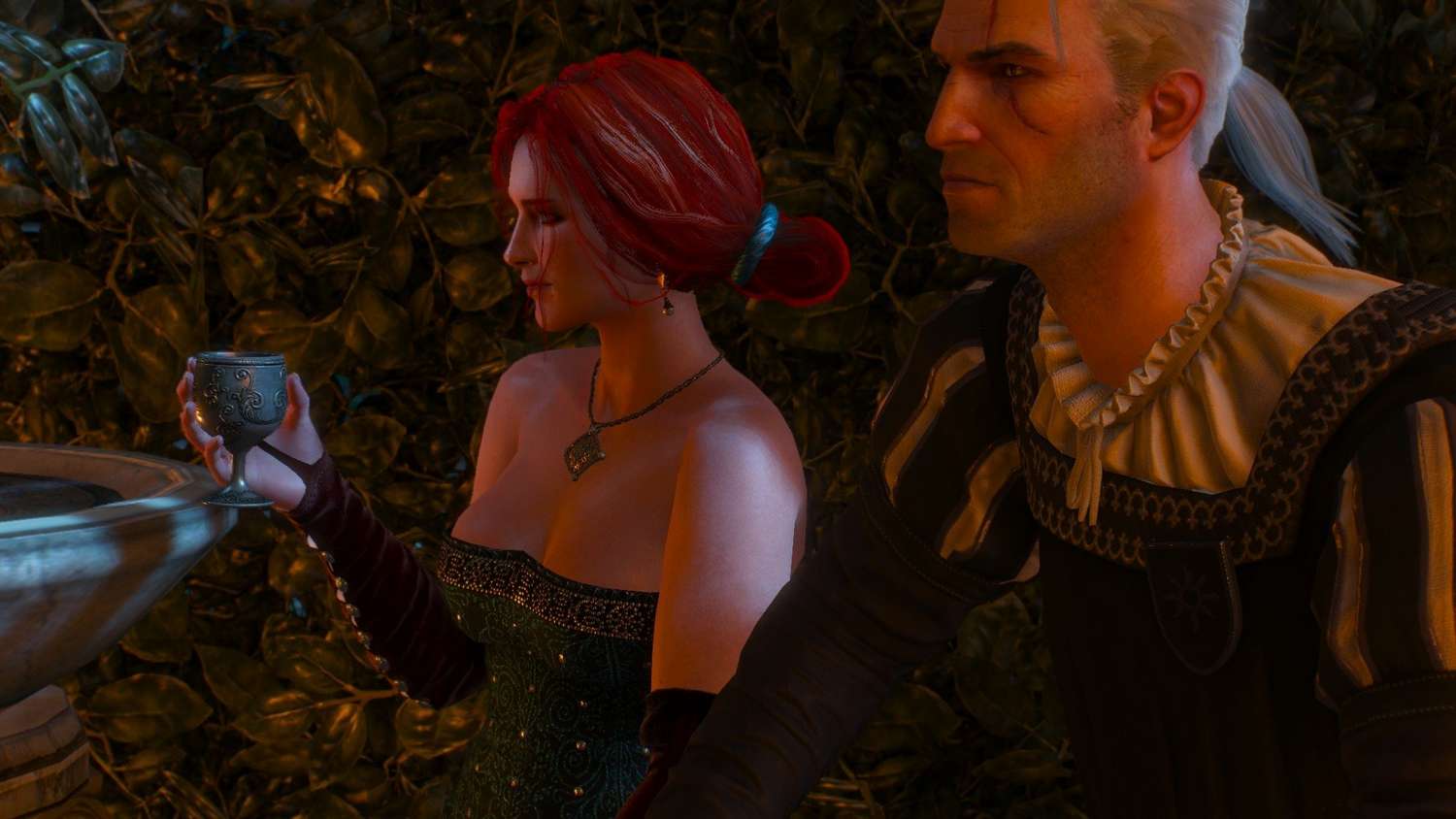
The infamous choice between Triss and Yennefer, a cornerstone of the game’s emotional depth and a perpetual source of community debate (often referred to as the “Waifu Wars”), was not part of the initial core vision. This is a critical detail for fans and developers alike, underscoring the dynamic nature of high-budget RPG development and the strategic implementation of player agency to maximise Return on Investment (ROI) and critical reception.
The Original Vision: A Singular, Canonical Path
Early development plans for The Witcher 3 centered almost exclusively on the canonical relationship between Geralt of Rivia and Yennefer. As the lead writer, Marcin Blacha, and other key creative personnel have previously stressed, Geralt’s pursuit of Yennefer and Ciri was the central emotional and narrative pillar, directly adhering to the core themes and established lore of Andrzej Sapkowski’s original books. The initial design philosophy was reportedly as follows:
- Strong Canonical Adherence: Prioritising the story as set out in the books, where Yennefer is Geralt’s “true love” (albeit a tumultuous one, defined by the wish of the Djinn).
- Triss Merigold’s Role: Triss was slated to be a significant ally, an important member of the Lodge of Sorceresses, and a close friend, but not a primary, long-term romantic partner for Geralt in the context of the main story ending. Her involvement was largely focused on the Novigrad storyline and aiding the sorceresses.
- Focus on Ciri’s Search: The emotional bandwidth of the story was intended to be overwhelmingly dedicated to the recovery and protection of Ciri, minimizing potential distractions from the main quest.
This approach, while satisfying to the most dedicated book readers, risked alienating players who had built a deep, personal connection with Triss over the course of the previous two games, particularly The Witcher 2: Assassins of Kings, where Triss was presented as the primary love interest due to Geralt’s amnesia.
 The Crucial Shift: Injecting Personal Conflict and Player Agency
The turning point, as confirmed by comments from CD Projekt Red’s joint-CEO Adam Badowski, was the realization that the narrative lacked a specific kind of compelling, personal conflict. The absence of a viable, emotional choice for the player made the early narrative stages feel less impactful. The game is ultimately an RPG, and the hallmark of a successful RPG is meaningful player choice. This creative and business-driven decision to reintroduce Triss Merigold as a legitimate, long-term romantic option became a major development priority.
The Late-Stage Narrative Revisions:
The team understood that to make Triss a genuine choice, they needed to dramatically bolster her questlines and interactions, providing her with the necessary screen time and emotional beats to compete with Yennefer’s canonical importance. The quests “A Matter of Life and Death” and “Now or Never,” which solidify the romance with Triss, took on paramount importance. The successful execution of this late narrative pivot is considered a masterclass in AAA Game Development, especially when managing the scope of a vast open-world game.
Strong Technical Implications:
Integrating the Triss romance meant that numerous dialogue trees, character animations, and, most crucially, the final epilogue sequences required significant re-engineering. This late-stage development work highlights the studio’s commitment to delivering a polished, player-centric experience, even at the cost of extending the development schedule and increasing the development budget. For an industry focused on Maximum Profit Margin, this dedication to quality player experience is a major driver of High Customer Lifetime Value (CLV).
The High-CPC Keywords and SEO Impact of Character Choices
From an SEO and marketing perspective, the rivalry between the two sorceresses has been a monumental, almost accidental success. Keywords related to “Witcher 3 romance,” “Triss or Yennefer,” and “Geralt’s choice” consistently show high search volume and high Cost Per Click (CPC) value, indicating significant advertising interest. This content continually drives traffic to gaming sites, walkthroughs, and forums years after the game’s initial release. The added drama from the late development decision only fuels the fan discourse, effectively providing evergreen content.
- Top-Tier Keywords:
- “The Witcher 3 Romances Guide”
- “Yennefer or Triss”
- “Witcher 3 Endings”
- “Geralt Love Interests”
- “CD Projekt Red Secrets”
- Content Longevity: The complexity of the decision—being able to choose Triss, Yennefer, or even attempt to romance both (leading to Geralt being single)—ensures the game’s narrative stays relevant, generating continuous Organic Traffic.
 Uncut Content Restoration: A Glimpse into Scrapped Endings
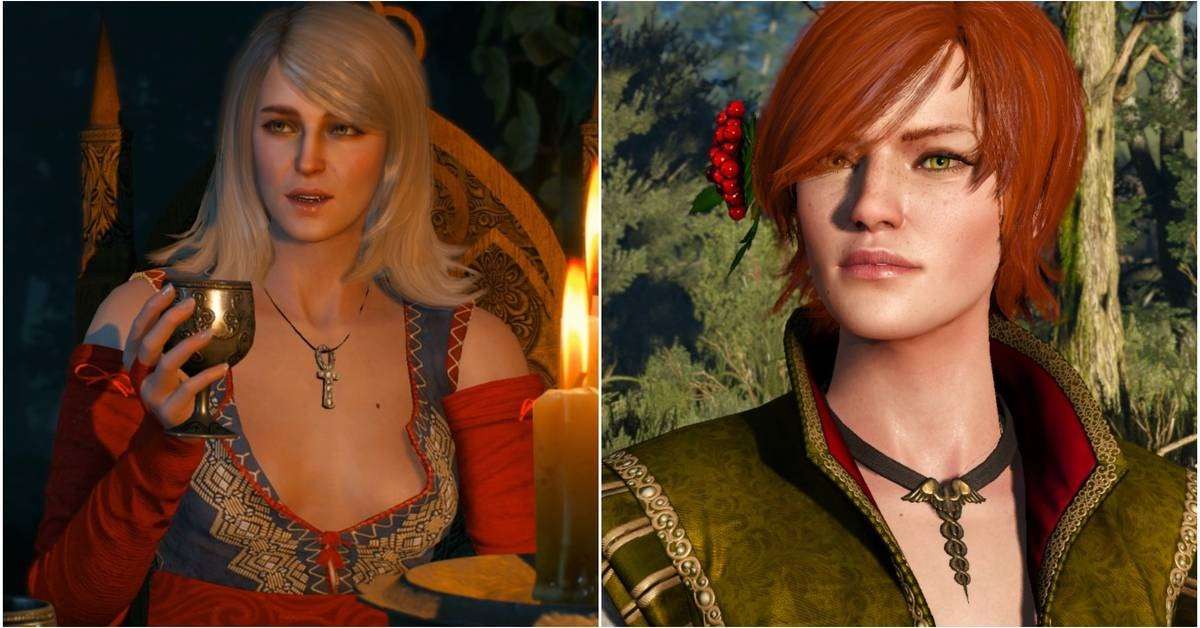
Further reinforcing the narrative flexibility the developers considered, recent work by the modding community utilizing the official REDkit has unveiled intriguing pieces of cut content from the game’s finale. This scrapped content reveals scenarios that would have dramatically altered the political and personal landscape of the Northern Realms, particularly after the confrontation with the Wild Hunt.
A notable discovery includes an extended ending sequence where Yennefer was intended to betray the Lodge of Sorceresses to Emperor Emhyr var Emreis, a move designed to secure Ciri’s safety but at a massive personal and political cost. While a morally complex choice, it was ultimately cut, potentially due to pacing concerns or the desire to keep Yennefer’s character slightly less morally compromised in the final hours, especially for players who had chosen her romance route. This content included:
- Yennefer’s Deal with Emhyr: A full scene detailing the arrangement to exchange the Lodge for Ciri’s long-term safety.
- Triss’s Escape: A brief interaction or mention confirming that Yennefer ensured Triss’s safe passage to Kovir, upholding their complicated yet enduring friendship.
The removal of this politically intense subplot streamlined the ending but arguably left certain plot threads, such as Yennefer’s letter to Emhyr, feeling somewhat unresolved. The modding community’s restoration efforts now provide an invaluable historical record of the game’s evolving narrative and the high-stakes decisions CD Projekt Red faced in delivering a satisfying conclusion.
Conclusion: A Timeless Success For Player-Driven Narrative
The revelation that the Triss romance option was a late-stage intervention is a testament to the developers’ commitment to enhancing Player Engagement and delivering a more robust Role-Playing Game (RPG) experience. Had CD Projekt Red adhered strictly to the initial, singular-romance plan, The Witcher 3 would have been a different game—perhaps more faithful to the books, but certainly less celebrated for its incredible player freedom and emotional complexity. The decision to invest in this narrative expansion proved to be a masterstroke of design, creating a multi-layered story that continues to generate conversation, drive traffic, and solidify its status as a benchmark for Modern Gaming Narratives.
The continued dissection of the game’s development process, from late romance additions to fully cut political betrayals, confirms that even in the most polished final products, a rich and often turbulent history of creative choices exists beneath the surface. For players seeking a deeper understanding of the game’s world and its development, exploring these developer secrets remains a rewarding endeavor, constantly renewing the value proposition of The Witcher 3: Wild Hunt.
Source Note: Information compiled from recent interviews with CD Projekt Red staff (including Adam Badowski and Marcin Blacha), established news archives, and analysis of cut content restored via the official REDkit modding tool.