
Call of Duty: Black Ops 7 Faces Unprecedented Backlash as Lowest-Rated Entry in Franchise History









Popular Now
 Fortnite
 Among Us
 Stumble Guys
 Genshin Impact
 The Legend of Zelda
 Brawl Stars
 Gacha Club
 Counter-Strike 2
 Candy Crush Saga
 EA SPORT FC 25
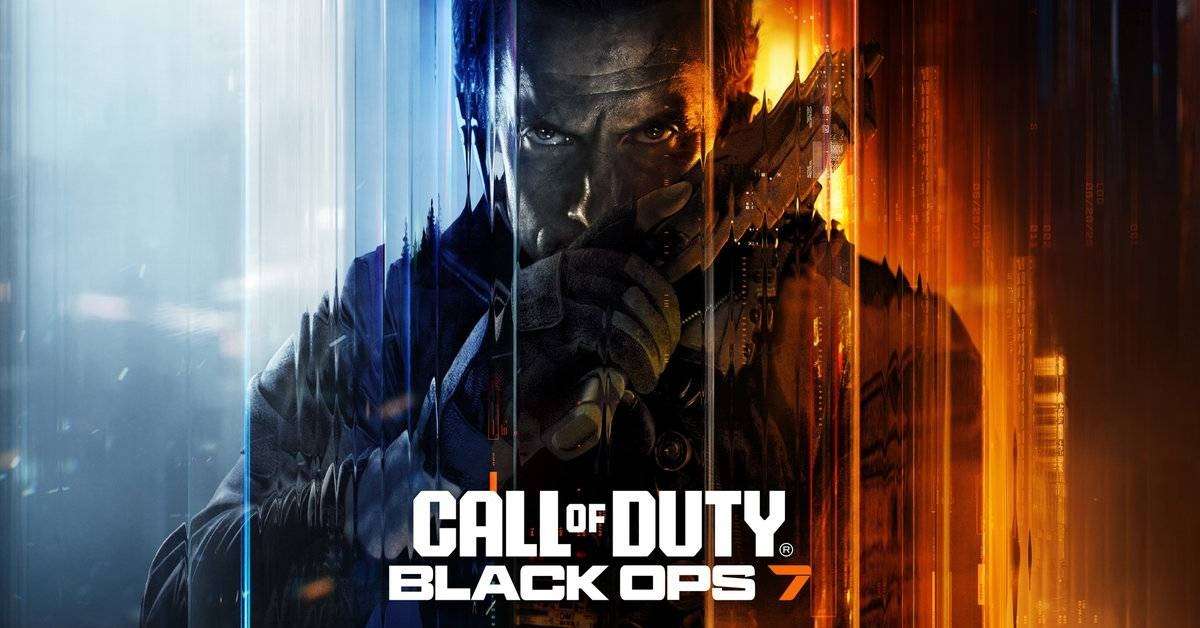
The highly anticipated release of Call of Duty: Black Ops 7 has been met with a devastating reception, plunging the venerable first-person shooter series into uncharted territory. Barely weeks post-launch, the title has cemented its place as the lowest-rated Call of Duty game ever, according to aggregate user scores across major platforms. This alarming trend is compounded by a less-than-stellar critic consensus, signaling a significant crisis for one of the gaming industry’s most lucrative and recognizable franchises. The fallout from this unprecedented user backlash is sending ripples throughout the entire gaming community and raising serious questions about the future direction of Activision Blizzard’s flagship IP.
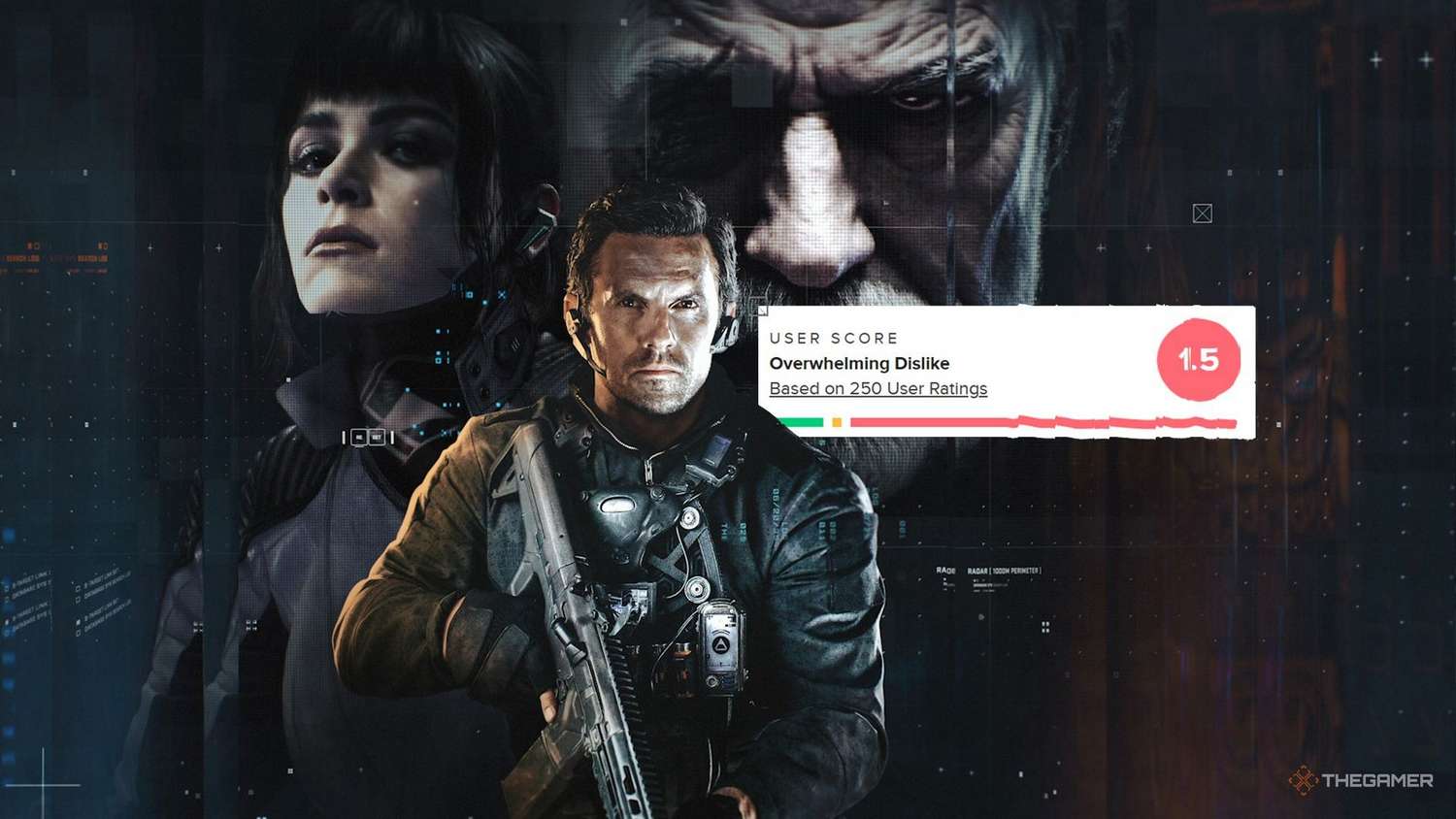
For decades, Call of Duty has been a titan in the video game landscape, consistently delivering blockbuster sales and a loyal player base. While the series has experienced its share of highs and lows, no previous installment has ever garnered such uniformly negative sentiment. Data from Metacritic, a leading aggregator of video game reviews, paints a grim picture: Black Ops 7’s user score hovers around a dismal 0.8 out of 10, a stark contrast to its predecessors and a testament to the profound disappointment felt by players worldwide. This isn’t merely a vocal minority; the sheer volume of negative reviews underscores a widespread discontent that developers and publishers simply cannot ignore. This situation is particularly critical for game sales and the overall brand perception, impacting everything from future pre-orders to investor confidence in Activision stock.
The User Score Catastrophe: A Deep Dive into Player Sentiment
The extremely low user score for Black Ops 7 is more than just a number; it’s a collective roar of frustration from millions of dedicated fans. Players have voiced a litany of complaints, ranging from fundamental gameplay issues to perceived predatory monetization practices. Key grievances highlighted in numerous player reviews include:
- Lack of Innovation: Many users feel that Black Ops 7 offers little to no substantive innovation, presenting a gameplay loop that feels recycled and stagnant. The absence of fresh mechanics or a compelling new narrative direction has led to widespread accusations of franchise fatigue.
- Technical Instability: Launch woes have plagued the game, with widespread reports of severe bugs, frequent crashes, server instability, and persistent latency issues. These technical shortcomings severely impede the multiplayer experience, which is often the backbone of any Call of Duty title.
- Aggressive Microtransactions: The implementation of microtransactions and battle pass systems has drawn considerable ire. Players feel that the game’s progression is heavily skewed towards encouraging in-game purchases, undermining the sense of achievement and value for money from the initial game purchase.
- Poor Campaign Quality: The single-player campaign mode, traditionally a highlight for many, has been criticized for its generic storyline, uninspired mission design, and short length, failing to deliver the gripping narrative experiences expected from a Black Ops title.
- Balance Issues: Complaints about weapon balancing, operator abilities, and map design have created an uneven and often frustrating competitive environment, alienating competitive players and casual fans alike.
These collective criticisms demonstrate a significant disconnect between player expectations and the final product, directly impacting player engagement and long-term retention. The current state of Black Ops 7 sets a dangerous precedent for future releases in the gaming industry trends.
 Critics Weigh In: A Muted but Concerning Reception
While the critic consensus for Black Ops 7 is not as catastrophically low as its user score, it remains decidedly lukewarm, with an average score hovering in the mid-50s on Metacritic. This places it well below the series’ usual critical benchmark and solidifies its position as one of the least critically acclaimed entries. Professional reviewers, while often more forgiving of technical issues post-launch patches, echoed many of the user complaints:
- Predictable Gameplay: Many critics pointed to a sense of predictability and a safe, uninspired approach to core gameplay mechanics. Reviewers often highlighted the lack of ambition in evolving the series’ formula.
- Graphics and Performance: While graphically competent in some areas, several critics noted inconsistent performance, particularly on current-generation consoles, alongside a visual style that felt dated in comparison to other contemporary AAA titles. This impacts the overall gaming experience.
- Narrative Weakness: The campaign was frequently described as forgettable, with a narrative that failed to resonate or add meaningful depth to the Black Ops lore.
- Monetization Concerns: Even critics, typically more focused on initial game content, expressed concern over the game’s aggressive monetization strategy and its potential impact on the consumer value proposition.
The disconnect between the professional critic and user scores is a recurring theme in modern gaming, but the sheer disparity for Black Ops 7 is particularly telling. It suggests that while critics might find some redeeming qualities or acknowledge a base level of competency, the core audience feels fundamentally betrayed by the product, perceiving it as a significant step backward for the franchise. This makes for fascinating case studies in game development and consumer expectations.
The Road Ahead: Implications for Activision Blizzard and the Call of Duty Franchise
The abysmal reception of Black Ops 7 presents a monumental challenge for Activision Blizzard and its new parent company, Microsoft. The financial implications are potentially vast, impacting everything from immediate game sales data to the long-term health of the Call of Duty brand. Historically, low user scores correlate directly with reduced player counts and a dip in future revenue streams from in-game purchases and subsequent titles.
Developers, reportedly Treyarch and Raven Software, now face the arduous task of rehabilitating the game’s image through extensive post-launch support. This would likely include substantial patches addressing technical issues, content updates that introduce fresh and engaging gameplay elements, and potentially a re-evaluation of the game’s monetization model. However, winning back a disillusioned player base is a difficult and often drawn-out process, especially when the initial impression has been so profoundly negative. This entire situation is a critical point in the video game industry news cycle.
Furthermore, this debacle could force Activision Blizzard to re-evaluate its annual release schedule. The concept of franchise fatigue has been discussed for years within the Call of Duty community, and Black Ops 7’s performance might be the definitive proof that players are demanding more time, more innovation, and a higher standard of quality from each installment. The pressure to deliver a successful next-generation Call of Duty title has never been higher, making the path forward for Call of Duty development a critical and closely watched endeavor.
Ultimately, Black Ops 7 stands as a stark reminder of the immense power of collective player voice and the high expectations placed upon AAA game releases. Its unprecedented low ratings are a wake-up call for the entire industry, highlighting the delicate balance between innovation, quality, and business strategy. The journey to reclaim player trust will be long and challenging, and the future of the Call of Duty franchise now hangs in a precarious balance, prompting much discussion across online gaming communities and among industry analysts. The critical failure of Black Ops 7 will undoubtedly serve as a cautionary tale in game design for years to come.