
Schedule 1’s November 2025 Update: A Critical Review of the Game-Changing Evolution









Popular Now
 Rust
Rust
 Valorant
 Free Fire
 Counter-Strike 2
 BeamNG.drive
 Warframe
 NBA 2K24
 God of War Ragnarök
 PUBG Mobile
 Brawl Stars

Schedule 1’s November 2025 Update: A Critical Review of the Game-Changing Evolution
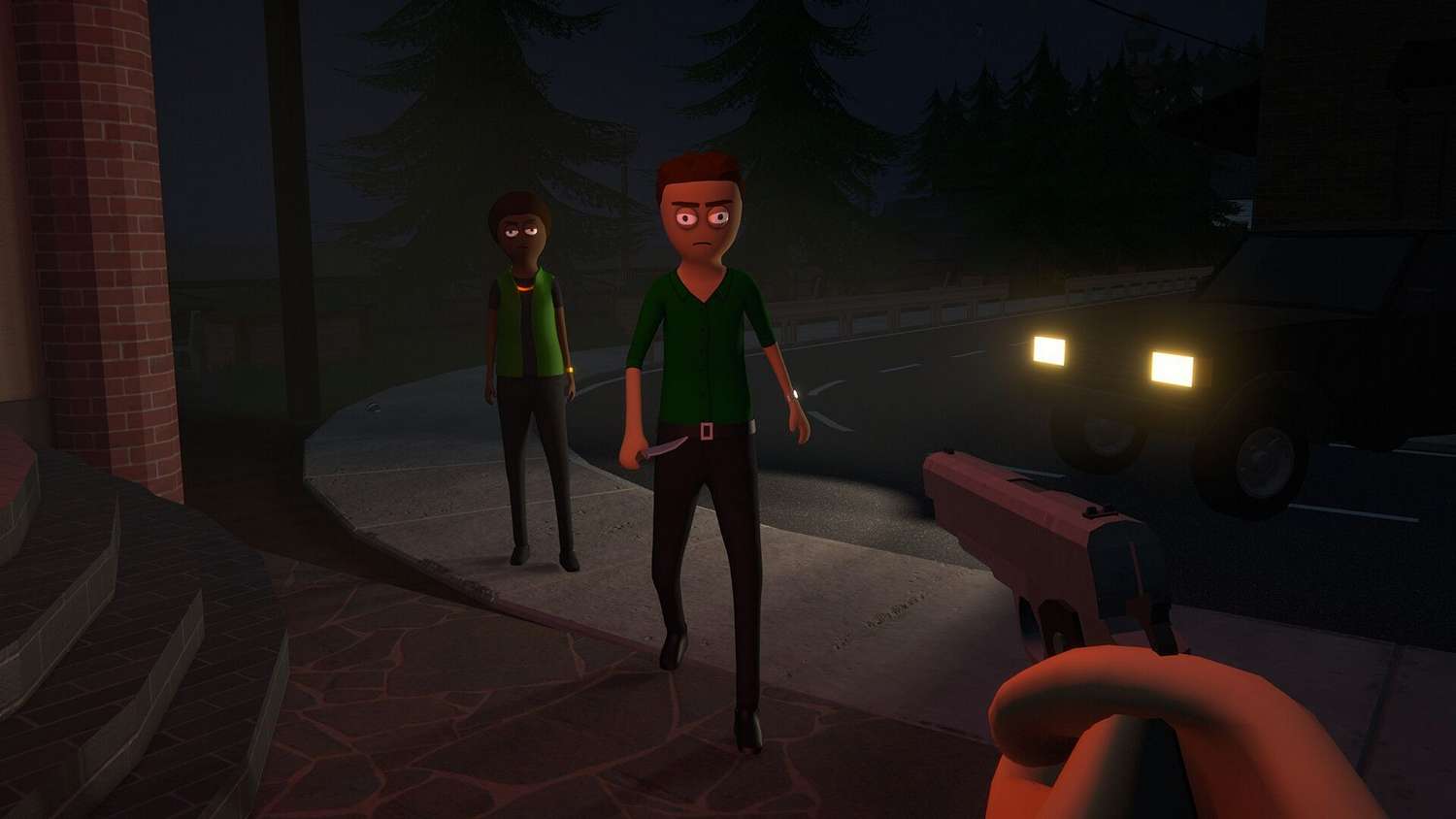
The highly anticipated November 2025 update for the acclaimed live-service sci-fi MMORPG, Schedule 1, has officially landed, promising to redefine the player experience. Dubbed the “Chronos Nexus” expansion, this major patch aims to revitalize a game that, despite its initial success and a loyal following, has seen a gradual decline in active players amidst an increasingly competitive gaming landscape. Our in-depth review delves into whether this massive content injection and myriad system overhauls successfully steer Schedule 1 back to its former glory, offering a comprehensive look at what players can expect from the game moving forward.
For years, Schedule 1 has been praised for its sprawling universe, intricate lore, and innovative combat mechanics. However, an aging engine and a perception of dwindling endgame content had started to cast a shadow over its reputation. The developers, Chronos Forge Studios, have been vocal about their commitment to addressing community feedback, and the November 2025 update is the culmination of months of intensive development. This review will critically examine the new features, performance enhancements, and the subtle yet significant shifts in the game’s core philosophy, assessing its potential to attract new players while retaining its veteran base.
The Chronos Nexus: Unveiling New Frontiers and Narrative Depth
At the heart of the November 2025 update lies the “Chronos Nexus” expansion, introducing a staggering amount of new playable content. Players can now explore two entirely new star systems, Xylos Prime and the enigmatic Void Expanse, each teeming with unique biomes, dangerous alien species, and complex questlines. The environmental design in these new zones is nothing short of breathtaking, showcasing a significant leap in graphical fidelity that pushes the boundaries of the game’s original engine. The narrative thrust, centered around ancient Chronos technology threatening to unravel the fabric of reality, is compelling and offers multiple branching paths, allowing for a genuine sense of player agency in shaping the future of the Schedule 1 universe.
- Expanded Lore: Deep dives into the origins of the Chronos entities, enriching the existing universe.
- Dynamic Public Events: Randomized, large-scale encounters across new zones that encourage server-wide cooperation.
- Challenging Raids & Dungeons: Four new high-level instanced activities demanding intricate coordination and strategic gameplay, offering top-tier gear and unique cosmetic rewards.
- New Faction System: A redesigned reputation system with distinct allegiances and exclusive vendors, providing long-term progression goals.
The new quest structure feels more organic and less grind-oriented than previous expansions, focusing on impactful choices and engaging storytelling rather than repetitive fetch quests. This shift is a welcome change, signaling Chronos Forge Studios’ understanding that modern MMORPG players demand meaningful engagement over simple time sinks. The introduction of new legendary weapons and armor, each with unique abilities and lore ties, also provides powerful incentives for players to delve into every corner of the Chronos Nexus.
Refined Combat, Class Balance, and Player Progression
Beyond new content, the November 2025 update brings substantial changes to Schedule 1’s core gameplay mechanics, most notably in combat and character progression. All existing classes have undergone significant rebalancing, aiming to create a more equitable and diverse meta. While some veteran players may initially find their established rotations disrupted, the overall intention is to promote strategic variety and reduce the dominance of a few overpowered builds.
- Omni-Weapon System: A groundbreaking addition allowing players to seamlessly switch between two different weapon types in combat, opening up new tactical possibilities. This system is a game-changer for solo play and competitive PvP alike.
- Augmented Skill Trees: Each class now boasts an additional skill tree focused on ‘Chronos Infusion,’ granting powerful new abilities and passive bonuses that significantly alter playstyles.
- Gear Re-roll & Crafting Revamp: A much-needed overhaul to the crafting system makes it more accessible and rewarding, reducing reliance on RNG and providing clear pathways to desired gear upgrades. The ability to re-roll specific stats on high-end items adds another layer of customization for dedicated players.
- Seamless World Transitions: Load times between zones have been drastically reduced, enhancing the sense of a continuous, living world.
The introduction of the Omni-Weapon System is arguably the most impactful gameplay change, fostering a more fluid and dynamic combat experience. It encourages players to experiment with hybrid builds and adapt to various combat scenarios, rather than adhering to rigid, pre-determined roles. This flexibility, combined with the new Chronos Infusion skill trees, provides unprecedented depth to character customization, ensuring that even veteran players have fresh avenues for exploration and mastery. The developers have clearly listened to feedback regarding stagnant class metas and the necessity for innovative progression.
Technical Overhaul: Performance, Graphics, and Quality of Life
One of the most critical aspects of this update is the extensive technical overhaul. Schedule 1, while visually impressive in its prime, had started to show its age. The November 2025 patch introduces a new lighting engine, enhanced texture streaming, and significant optimizations that result in noticeable improvements across the board. Frame rates are generally more stable, especially in densely populated areas and during large-scale public events, addressing a long-standing complaint from the community.
- Enhanced Visuals: Ray-traced global illumination and improved particle effects make the new and existing environments pop with newfound vibrancy.
- Client Optimization: Reduced memory footprint and faster asset loading contribute to a smoother overall experience, even on mid-range hardware.
- UI/UX Refinements: A cleaner, more intuitive user interface, customizable HUD elements, and improved map functionality streamline navigation and information access.
- Anti-Cheat Measures: Enhanced anti-cheat protocols have been implemented, aiming to foster a fairer competitive environment and mitigate the impact of malicious actors.
These technical advancements are not merely cosmetic; they significantly enhance the overall player experience. The game feels more responsive, visually appealing, and less prone to performance dips that previously plagued intense combat encounters. Quality-of-life improvements, such as improved inventory management and customizable key bindings, further demonstrate a commitment to user-centric design. This investment in the core infrastructure is vital for the long-term sustainability of Schedule 1, positioning it to compete with newer titles.

The In-Game Economy and Premium Content Evaluation
No modern MMORPG update is complete without a careful examination of its monetization strategy. The November 2025 update introduces a new seasonal battle pass, the