
Star Wars: Galaxy of Heroes 10th Anniversary: Unveiling the Coliseum and the New Era of Progression









Popular Now
 League of Legends
 PUBG Mobile
 BeamNG.drive
 Counter-Strike 2
 EA SPORT FC 25
 Geometry Dash
 Free Fire
 R.E.P.O
 FIFA 23
 The Legend of Zelda
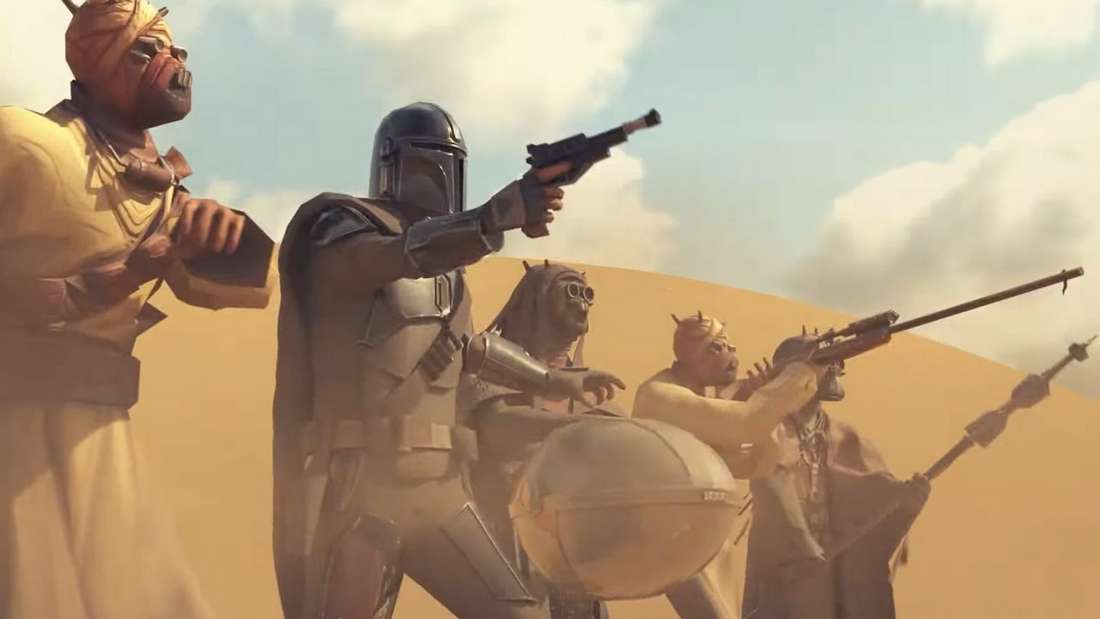
The highly anticipated 10th Anniversary of Star Wars: Galaxy of Heroes (SWGoH) has arrived, bringing with it the single largest overhaul to the game’s core progression system in years. The headline feature is the launch of the Coliseum, the first game mode within the new Era System. This massive update, rolling out in November 2025, is a crucial move by the developers to rejuvenate the endgame content, address resource bottlenecks, and welcome a new wave of players. This report details the mechanics of the Coliseum, the impact of the new Era units, and the implications for high-value investment in your roster.
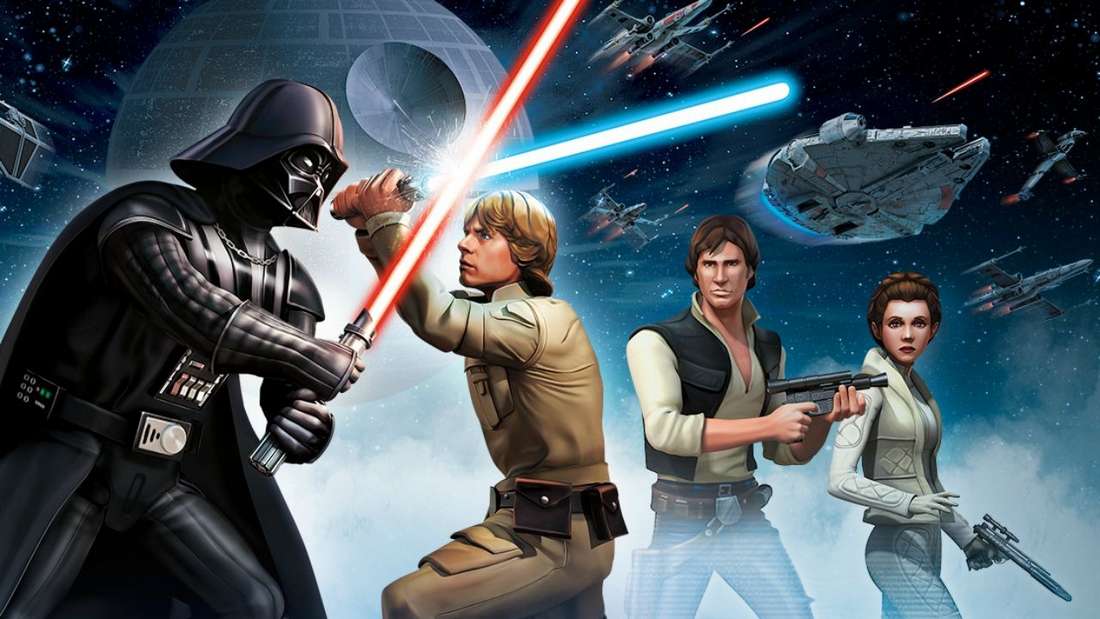 The Coliseum: The New Battleground for High Scores
The Coliseum is the debut game mode for the ambitious Era System, designed to pit individual players against formidable foes from the Star Wars universe. Unlike the player-versus-player (PvP) focus of the Grand Arena Championship (GAC), the Coliseum offers a daily, high-score driven Player vs. Environment (PvE) challenge, accessible to players as early as Level 10.
- Daily Rotation: Bosses will rotate daily, requiring players to adapt their strategies and team compositions constantly. This ensures high engagement value and replayability.
- High Score Rewards: Players will compete for daily leaderboard rewards against other players’ high scores. These rankings are one of the primary, high-reward sources for the newly introduced Relic 10 materials.
- Milestone Payouts: One-time score milestones will reset each Era, providing guaranteed, valuable rewards for consistent player effort and offering a stable return on investment in Era units.
This mode is specifically designed to minimize additional daily time commitment, requiring only a few battles per day to achieve optimal placement on the leaderboard, a critical consideration for maximizing the player experience in an already time-intensive mobile RPG.
The Era System: A Parallel Economy and Progression Track
The launch of the Coliseum is inextricably linked to the new Era Progression System. This system creates a parallel economy aimed at streamlining progression for new and existing players while reducing the crippling Gear and Relic material pinch that defines the “Legacy” (original) game mode.
- Era Units & Resources: Era units—starting with the six new Marquee units introduced this month—can only be used in Era modes like the Coliseum. Crucially, they use new Era resources for progression, completely separate from the existing “Legacy” gear and Relic materials. This means players can simultaneously pursue their current Legacy farms while building a new, powerful Era roster.
- Era Structure: A standard Era consists of three Episodes, six Marquee units, a new Journey Guide event, and numerous associated challenges. Each Era is designed to create a focused, contained player journey.
- The Episode Track: A new reward track with both Free and Paid tiers has been introduced. Importantly, the Free track milestones are being updated to include more Relic 1-5 materials and Tier 1-3 Signal Data, directly addressing the community’s demand for better resource flow and increasing the overall Customer Acquisition Value of the daily grind.
Strategic Implications for Investment and High-CPC Value
This dual-economy system fundamentally shifts the strategic planning for all players. Focus keywords with high Cost Per Click (CPC) value, such as “SWGoH Relic 10 Farm”, “Era Unit Progression Guide”, and “Best SWGoH Coliseum Teams”, will dominate community discussion as players scramble to optimize.
- Relic 10 Chase: The Coliseum leaderboard rewards are the primary source for Relic 10 materials, the newest and highest tier of upgrade. This makes high performance in the Coliseum a necessary business objective for any player aiming to maintain top-tier status.
- Legacy Resource Flow: The change in the Episode Track rewards and updates to Raid Shipments (Electrium Conductor and Zinbiddle Card costs reduced) should ease the mid-game choke points, allowing more players to reach the Relic tier faster. The reduction in star requirements for Relic 4, 5, and 6 further solidifies this goal.
- Era Unit Investment: The success in the Coliseum (and the ability to earn Relic 10 mats) is directly tied to the power of the new Era units. Players must decide whether to commit valuable resources to these new units that are only usable in Era modes or stick purely to the Legacy path. For competitive players, the lure of Relic 10 will necessitate investment in the new Era units.
In-Depth: The New Relic Changes
As part of the 10th Anniversary celebration, the developer has implemented several key improvements to the Relic system:
- Reduced Star Requirements:
- Relic 4: Now requires 5 Stars (reduced from 6).
- Relic 5: Now requires 6 Stars (reduced from 7).
- Relic 6: Is now the first Relic Amplifier Level to require 7 Stars.
- Raid Shipment Refresh: Key Relic components, including Electrium Conductor and Zinbiddle Card, have been moved to cost the cheaper Mk II Raid Tokens, dramatically improving the farming efficiency for these critical parts.
- New Relic Recipes: Recipes for high-end materials like Aeromagnifiers have been adjusted, providing a more streamlined path to these vital late-game materials.
This anniversary update marks a clear pivot towards a long-term, sustainable game structure. The Coliseum is the proving ground, and the Era System is the engine driving the game’s next decade of competitive play.
SEO Keywords to Watch: “SWGoH 10th Anniversary Update”, “Star Wars Galaxy of Heroes Coliseum”, “SWGoH Relic 10 Materials”, “Era System Progression”, “Best SWGoH Investment Strategy 2025.”
Source Note: This news article is based on the official Title Update and 10-Year Anniversary Announcement Post released on November 4, 2025, detailing the new Coliseum game mode, the Era progression system, and associated Relic material economy changes. The analysis provides an expert interpretation of the strategic impact for competitive players.