
BTS Cooking On: November 2025 Code Forecast – Unlocking Premium Rewards and Sustaining Player Momentum









Popular Now
 Poppy Playtime
 FIFA 23
 Among Us
 Gacha Club
 Counter-Strike 2
 NBA 2K24
 Sonic the Hedgehog™ Classic
 The Legend of Zelda
 Stumble Guys
 Warframe

As the vibrant world of mobile gaming continues its relentless expansion, titles that master the art of player retention and continuous engagement often stand out. Among these, ‘BTS Cooking On’ has carved a significant niche, captivating millions with its unique blend of culinary challenge and the global appeal of K-pop sensation BTS. As we approach November 2025, the anticipation surrounding new in-game codes is reaching a fever pitch, promising to inject fresh energy and valuable resources into the game’s thriving ecosystem. This news report delves into the expected impact of these upcoming codes, analyzing their role in bolstering player satisfaction, sustaining economic activity, and enhancing the overall longevity of this highly successful mobile strategy game.
The Enduring Appeal of BTS Cooking On
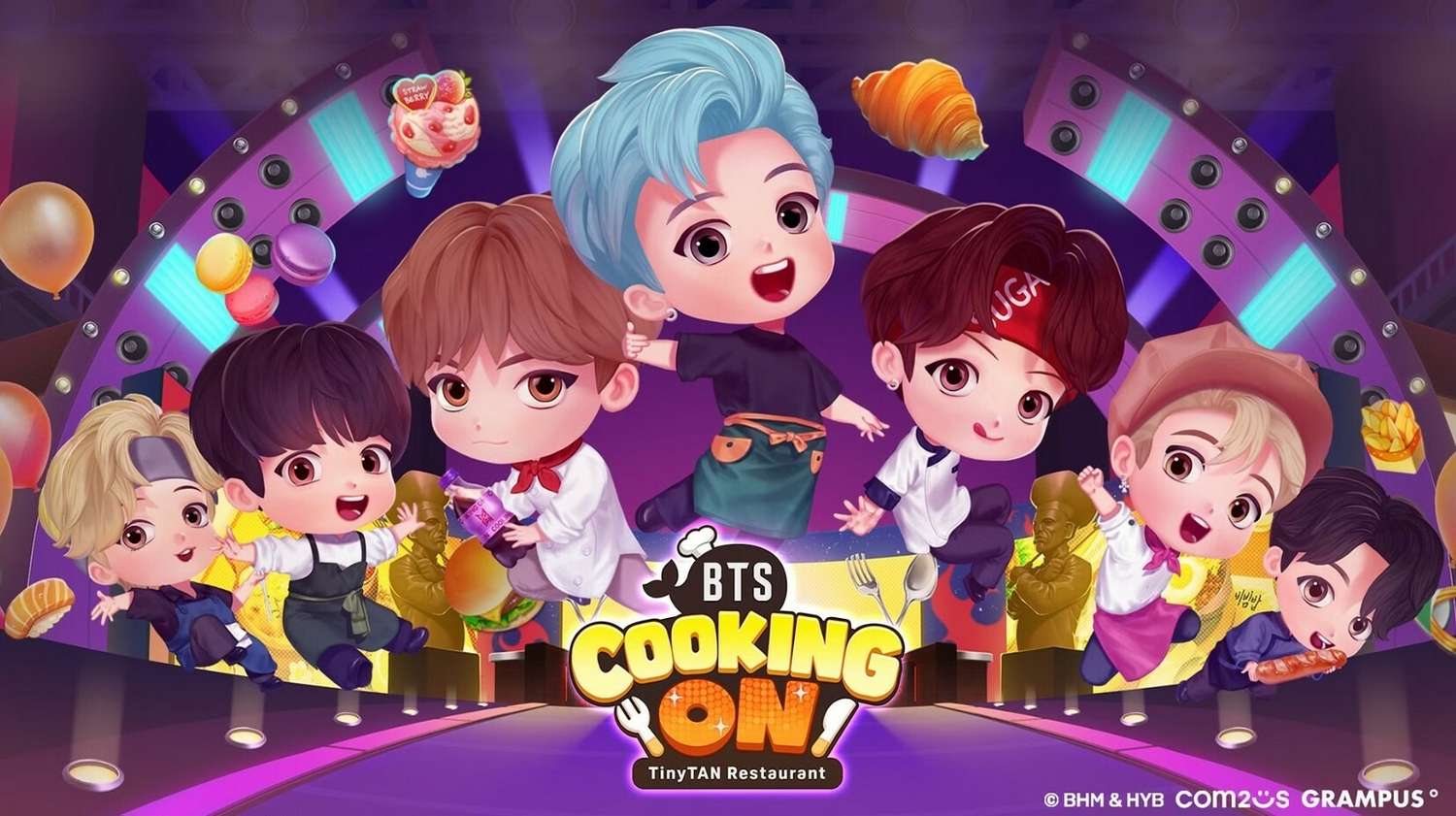
Since its launch, ‘BTS Cooking On’ has skillfully leveraged the immense global fanbase of BTS, transforming a popular cooking simulation into a dynamic interactive experience. Players manage restaurants, cook diverse dishes, and engage with virtual avatars of the BTS members, all while navigating a progression system that demands both strategic planning and quick reflexes. The game’s success is not merely a testament to the band’s popularity but also to its well-designed mechanics, consistent content updates, and a robust community infrastructure. These elements are crucial for any live-service title, and the regular introduction of redemption codes is a core component of its strategic player retention efforts, effectively acting as free marketing and goodwill generation.
The developers have consistently shown a commitment to nurturing their player base, understanding that a vibrant community is the backbone of any enduring mobile game. This commitment manifests in various forms, including seasonal events, new restaurant themes, and, critically, periodic code releases. These codes are not just arbitrary giveaways; they are carefully timed infusions designed to re-engage lapsed players, reward active users, and provide accessibility to premium features without mandatory in-app purchases. This balanced approach to monetization and free rewards is a key driver of its continued success and positive player sentiment.
November 2025: What to Expect from BTS Cooking On Codes
Forecasting code releases for November 2025 involves looking at historical patterns and current game trends. Typically, ‘BTS Cooking On’ codes align with major game anniversaries, national holidays, significant BTS milestones, or dedicated in-game events. Given the timing, we can anticipate several categories of codes:
- Anniversary/Seasonal Event Codes: November often sees major seasonal updates in many mobile games, potentially tying into late autumn or early winter themes. If there’s an in-game anniversary or a significant cultural event, developers are likely to roll out special codes offering substantial rewards.
- Performance-Based Rewards: Should ‘BTS Cooking On’ hit new download milestones or achieve certain community engagement targets (e.g., social media likes, participation in surveys), developers often release codes as a communal thank you, fostering a sense of shared achievement.
- Collaborative Promotion Codes: In the past, the game has occasionally partnered with other brands or platforms. November 2025 could see new collaborations that yield exclusive promotional codes, expanding the game’s reach and offering unique, limited-time items.
- Catch-Up and New Player Codes: To ensure new players aren’t overwhelmed by the progression gap, and to re-engage those who’ve taken a break, developers frequently issue codes that provide a boost in essential resources. These are vital for maintaining a healthy new user acquisition and retention pipeline.
The rewards typically associated with these codes are diverse and strategically chosen to enhance various aspects of gameplay. Players can often expect:
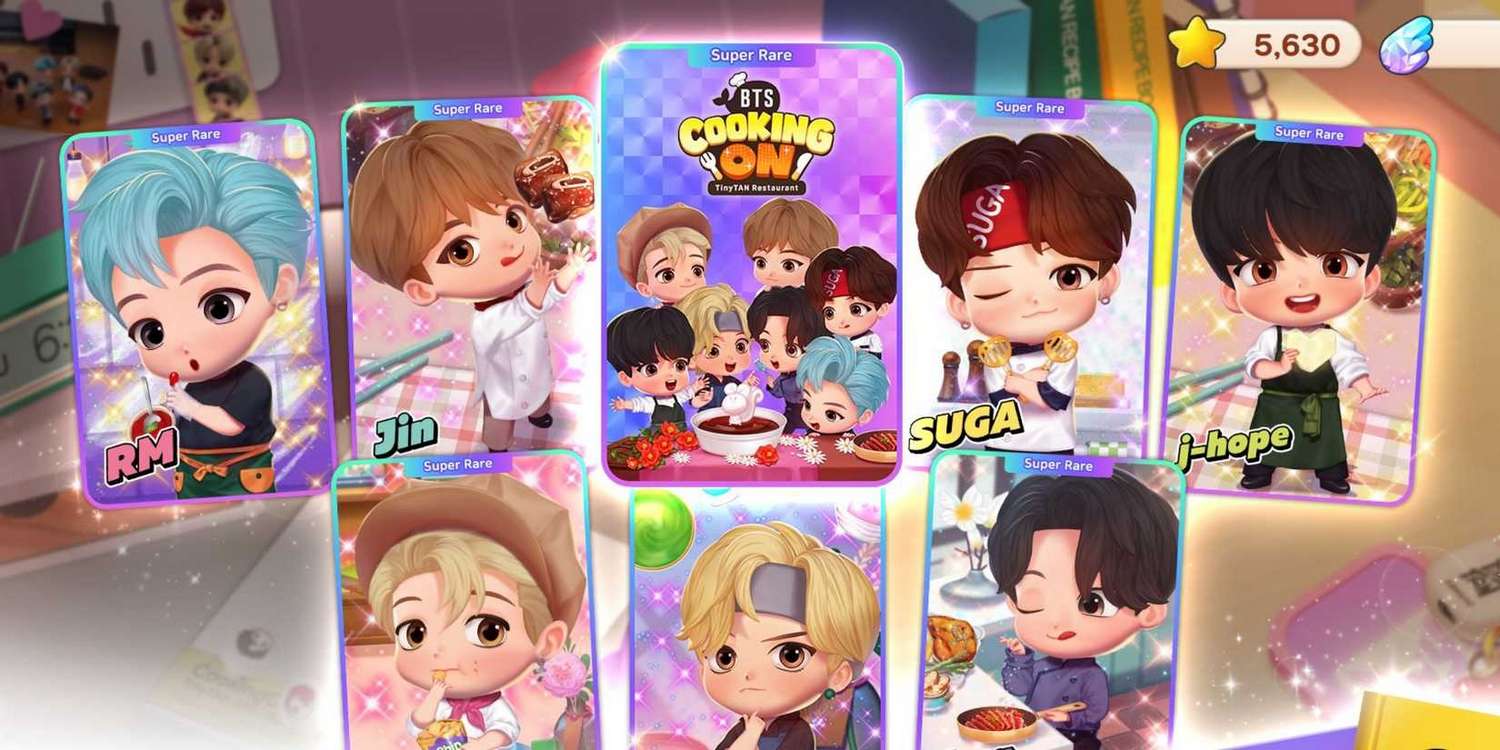
- In-game Currency: Gold, gems, or other premium currencies are frequently distributed, allowing players to purchase upgrades, new recipes, or cosmetic items without direct monetary investment. This directly impacts the game’s virtual economy and player spending habits.
- Exclusive Decor Items: Limited-edition furniture, restaurant decorations, or avatar accessories are highly coveted. These items add personalized flair and often become status symbols within the community.
- Ingredient Bundles: High-level or rare ingredients, essential for progressing through challenging levels and completing demanding orders, are a common and highly valued reward, directly influencing strategic gameplay and chef progression.
- Energy Boosts/Tickets: These allow players to engage in more gameplay sessions or participate in special events, extending play time and increasing overall user satisfaction.
 The Economic and Strategic Impact of Free Rewards
The integration of free redemption codes is a sophisticated marketing and retention strategy. From an economic perspective, these codes serve multiple purposes:
- Driving User Acquisition and Retention: The promise of free rewards acts as a powerful incentive for new players to download the game and for existing players to log in daily. This boosts daily active users (DAU) and monthly active users (MAU), critical metrics for any live-service game’s success and potential investor interest.
- Stimulating In-App Purchases: Counterintuitively, giving away free items can sometimes encourage spending. When players receive a taste of premium content or a boost in resources, they might be more inclined to purchase additional items to further enhance their experience or accelerate progression. It lowers the barrier to entry for experiencing premium features, often leading to increased conversions for in-app purchases.
- Balancing the Free-to-Play Model: For ‘BTS Cooking On’ to thrive as a free-to-play game, it must offer compelling reasons for both paying and non-paying users to stay engaged. Codes bridge this gap, ensuring that even players who choose not to spend money can still enjoy a rewarding experience, thereby maintaining a broad and active player base. This inclusivity is vital for a game with such a diverse global audience.
- Community Engagement and Brand Loyalty: Beyond direct economic impact, code drops are excellent tools for fostering community engagement. Discussions around finding and redeeming codes create buzz, generate user-generated content, and strengthen the bond between players and the game, as well as the BTS brand itself. This builds long-term brand loyalty.
From a strategic gameplay perspective, these codes can be game-changers, particularly for players facing bottlenecks. A sudden influx of premium currency or rare ingredients can unlock new recipes, upgrade facilities, or recruit powerful chefs, allowing players to overcome challenges and advance through the game’s increasingly complex levels. This not only prevents player frustration but also encourages deeper exploration of the game’s content.
Navigating the Future: Player Expectations and Developer Response
As November 2025 approaches, the ‘BTS Cooking On’ community will be eagerly awaiting official announcements regarding new redemption codes. Players will be meticulously tracking official social media channels, community forums, and fan sites for any hints or direct releases. The expectation is that developers will continue their pattern of providing codes that offer meaningful value, ensuring that the rewards feel significant and impactful to the gameplay experience.
For developers, the challenge lies in maintaining novelty and preventing reward fatigue. While codes are always appreciated, their specific contents and the frequency of their release must be carefully calibrated. Overly generous or frequent codes might devalue in-game purchases, while stingy or rare codes can lead to player disappointment. The optimal strategy involves a consistent flow of moderately valuable codes, punctuated by occasional, highly anticipated ‘jackpot’ codes that generate significant excitement and engagement.
Furthermore, the evolution of mobile gaming trends suggests that future code strategies might also incorporate augmented reality (AR) elements, location-based rewards, or even personalized code drops based on individual player activity or spending habits. While speculative for November 2025, these advanced techniques represent the frontier of user acquisition and retention in the competitive mobile market, and a game like ‘BTS Cooking On’ is well-positioned to experiment with such innovations.
 Conclusion: A Recipe for Continued Success
‘BTS Cooking On’ continues to demonstrate how a well-executed mobile game, backed by a strong intellectual property, can maintain significant momentum years after its initial release. The judicious use of redemption codes is not a trivial feature but a cornerstone of its live-service strategy, effectively subsidizing player progression, stimulating the virtual economy, and fostering an active, loyal community. As we look towards November 2025, the anticipated release of new codes will undoubtedly serve as another crucial ingredient in the game’s ongoing recipe for success, ensuring that players remain engaged, rewarded, and eager for what comes next in this captivating culinary journey alongside the global superstars of BTS. These digital rewards are more than just freebies; they are strategic investments in user experience, driving high-value user retention and reaffirming the game’s position as a leader in the competitive mobile entertainment landscape.