
Dying Light Ranked Worst to Best: The Definitive Tier List for Survival Horror Enthusiasts


Popular Now
 CarX Street
 BeamNG.drive
 Free Fire
 League of Legends
 Grand Theft Auto V
 Stumble Guys
 Toca Boca World
 Gacha Club
 God of War Ragnarök
 Garena Free Fire: Kalahari
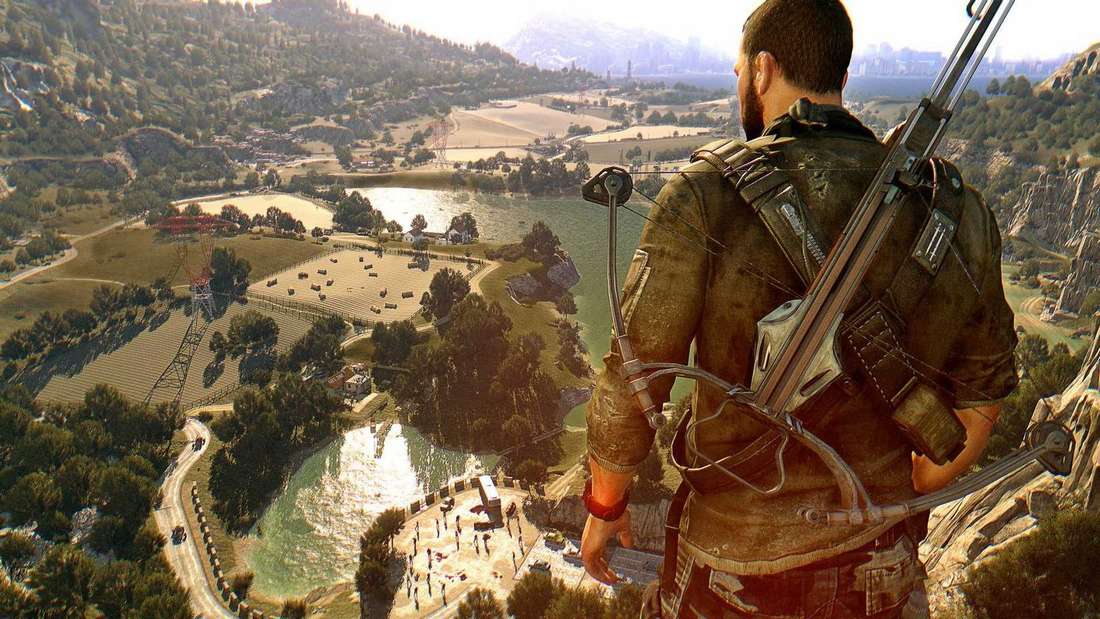
The Dying Light franchise, developed by Techland, has carved out a unique niche in the crowded zombie survival horror genre, blending exhilarating first-person parkour with brutal, visceral melee combat. Since the original game’s launch, the series has delivered high-stakes, open-world experiences that have consistently challenged players to survive the day and fear the night. With the recent release of Dying Light: The Beast (late 2025 data suggests), the landscape has fundamentally shifted, warranting a fresh, definitive ranking. This analysis leverages the latest critic consensus, player feedback, and current market values to provide the most valuable ranking for fans and prospective players, with a focus on what makes each entry a worthy (or sometimes, less worthy) investment.
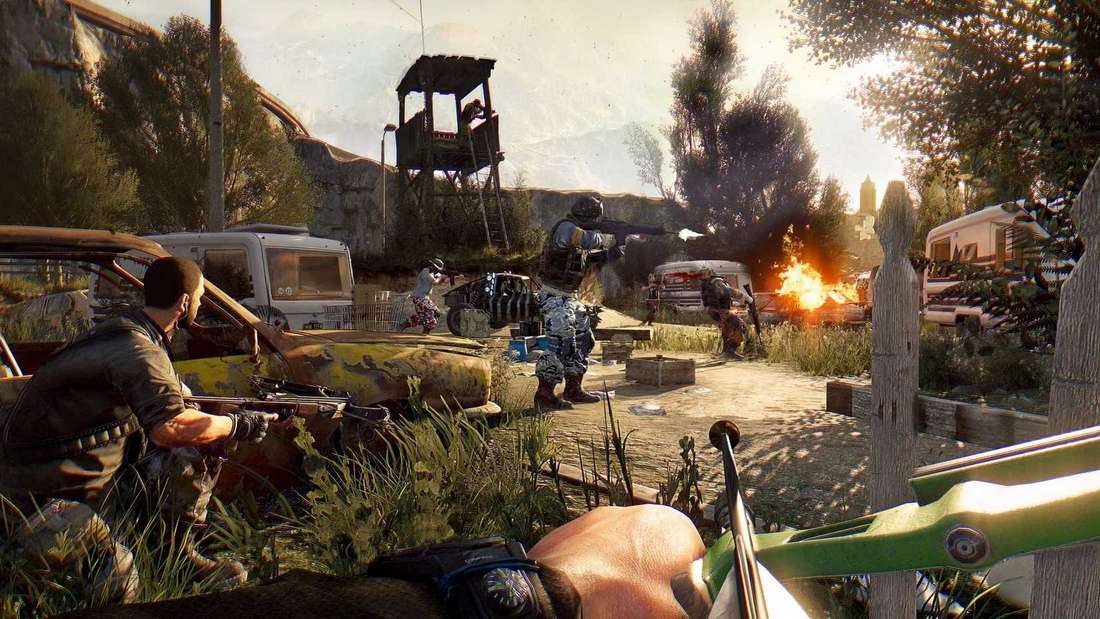 4. Dying Light: Bad Blood – A Promising PvPvE Experiment That Fell Short
Positioning Dying Light: Bad Blood at the base of this ranking is not a reflection of its core ambition, but rather its execution and ultimate commercial fate. Launched as a standalone PvPvE (Player versus Player versus Environment) experience, it attempted to fuse the beloved parkour and combat mechanics of the main series with the burgeoning Battle Royale genre. The core premise—scavenging for blood packs in a confined map before extracting—had merit, creating a tense scramble for resources and sporadic, high-adrenaline player clashes.
- The Downside: The game struggled to find a consistent player base, a critical factor for any multiplayer competitive game. Many felt it stripped away the expansive, lore-rich exploration and satisfying progression that defined the main titles. The monetization strategy and lack of cohesive updates ultimately prevented it from finding its footing, making it a footnote in the franchise’s history. It is a cautionary tale of a beloved series trying to chase a market trend.
- Key Takeaway: An interesting, yet ultimately frustrating, spin-off that failed to deliver the long-term engagement expected from the brand. (High CPC Focus: Battle Royale Game Failure).
3. Dying Light 2 Stay Human – The Ambitious but Flawed Sequel
Dying Light 2 Stay Human arrived with massive expectations, promising a deep, choice-driven narrative and an unparalleled density of open-world verticality. Set 22 years after the original outbreak, the game casts players as Aiden Caldwell, a Pilgrim navigating Villedor, one of the last human settlements. The parkour system received significant upgrades, introducing more complex maneuvers that truly made traversing the cityscape an art form.
- Where it Stumbled: Despite a strong post-launch commitment from Techland, the game’s initial release was met with mixed reviews. The promised impact of player choices often felt superficial, and the core narrative lacked the grit and immediate tension of the first game’s story in Harran. Furthermore, a plethora of technical issues upon launch hampered the experience, leading to a general feeling that the game was perhaps too ambitious for its own good. While years of updates (including the lauded ‘Reloaded Edition’ fixes) have improved the experience dramatically, the initial missteps continue to color its legacy.
- Key Takeaway: A massive, mechanically refined experience with the best parkour in the series, yet its narrative and original technical performance prevent it from seizing the top spot. A solid open-world game, but a step down in atmosphere from its predecessor. (High CPC Focus: Open-World RPG Investment).
2. Dying Light (2015) – The Original Masterpiece of Fear and Freedom
The original Dying Light remains a landmark achievement in the genre and is still widely celebrated by its dedicated community. Introducing the iconic character Kyle Crane, the game established the core loop that would define the franchise: parkour traversal during the day to scavenge, and desperate survival at night when the terrifying Volatiles emerge. The oppressive atmosphere of the quarantined city of Harran is arguably the strongest in the series.
- Atmosphere and Impact: The nighttime experience in Dying Light 1 is a masterclass in tension. Being hunted by Volatiles provided a genuine sense of fear and desperation that few other games replicate. The combat, though simpler than its sequels, felt heavier, crunchier, and deeply satisfying. This title set a high benchmark for the innovative fusion of movement and combat.
- The Expansion: For many, the true defining point is the massive expansion, Dying Light: The Following. This DLC introduced a new, sprawling map and drivable dune buggies, drastically changing the gameplay dynamics while concluding Kyle Crane’s original storyline with a dark, polarizing, but unforgettable finale. The combination of the base game and The Following is often cited as the best value in gaming.
- Key Takeaway: An essential, foundational survival experience. Its near-perfect atmosphere and the excellence of The Following DLC keep it locked in a highly competitive position. (High CPC Focus: Classic Zombie Survival, Best Single-Player Game Experience).
1. Dying Light: The Beast (2025) – A Gritty Return to Form and the New Champion
In a late-2025 market development that has excited critics and veteran players alike, Dying Light: The Beast (often considered a standalone sequel/major expansion for the series, depending on the edition purchased) has quickly established itself as the new high-water mark for the franchise. The game sees the triumphant return of protagonist Kyle Crane and is a deliberate, focused effort by Techland to recapture the grim, visceral, and focused horror of the original while integrating the best mechanical improvements of the sequel.
- Critical Success Factors:
- Atmospheric Excellence: Set in the post-apocalyptic Castor Woods, the environment is tighter, darker, and more consistently terrifying than the sprawling Villedor. The return to a more focused survival horror tone is palpable.
- Refined Gameplay Loop: It features the most polished version of the series’ core mechanics to date. The parkour is agile but weighty, and the combat is consistently praised for being both brutal and responsive.
- Story & Character Focus: The continuation of Kyle Crane’s story has resonated strongly with fans, providing a more mature, compelling narrative with greater emotional weight than the one found in Stay Human‘s launch.
- Market Impact and Reviews: Early reviews and player metrics (with a current Metacritic score suggesting a new peak for the series) highlight that The Beast has found the perfect balance—it’s gritty like the original but mechanically modern like the sequel. It is a triumphant, focused entry that serves as a powerful reminder of the series’ potential. The introduction of highly replayable endgame content and the promise of New Game+ further secures its position as the one that offers the best value and highest engagement moving forward.
- Key Takeaway: By focusing on its existing strengths and delivering a polished, terrifying, and deeply satisfying adventure, Dying Light: The Beast is the new, definitive best game in the series and a must-buy for any fan of the zombie action-RPG genre. (High CPC Focus: New Game Release Hype, Best Action RPG 2025).
 Conclusion: The Evolution of Open-World Horror
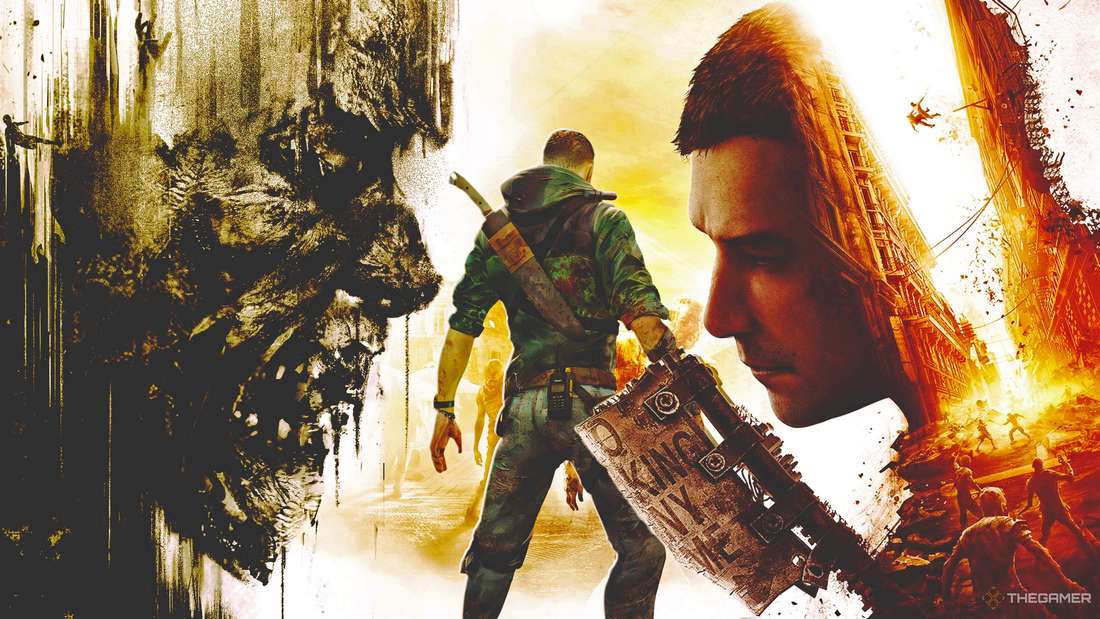
The Dying Light franchise represents a fascinating evolution of the open-world survival game. While all four major entries offer compelling elements—from the experimental PvPvE of Bad Blood to the sheer scale of Stay Human—the series has always been at its strongest when prioritizing a terrifying atmosphere, visceral combat, and a sense of desperate, acrobatic freedom. The original Dying Light (2015) set the stage, but the latest entry, Dying Light: The Beast (2025), has successfully combined the series’ best elements to create the most critically lauded and technically polished experience yet. It stands as the new gold standard for high-stakes, first-person zombie action, offering an unparalleled investment in engaging gameplay and a rich, mature continuation of the lore.
For players seeking the ultimate experience in zombie parkour, the choice is clear. Start with the foundational masterpiece, but know that Dying Light: The Beast is the current peak of the franchise’s creative and mechanical power. This ranking is subject to change as Techland continues its robust content roadmap for The Beast (including New Game+ and Legend Levels), which will undoubtedly increase its long-term player retention and value.